High-throughput Tissue Homogenizers
-
-
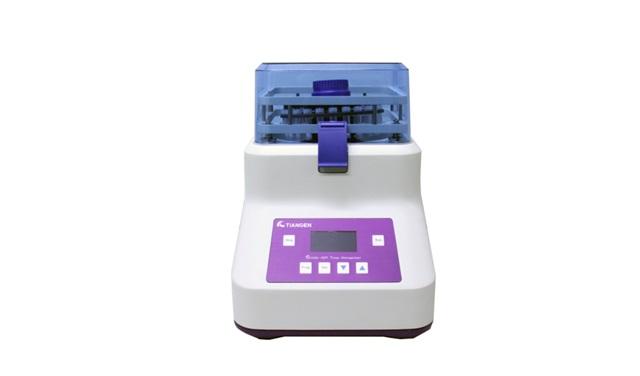
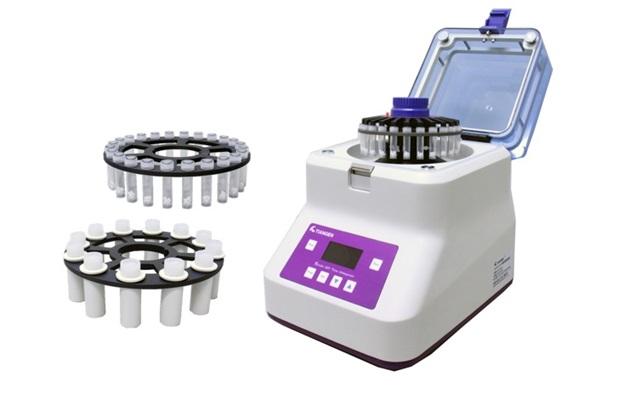
TGrinder H24 Tissue Homogenizer
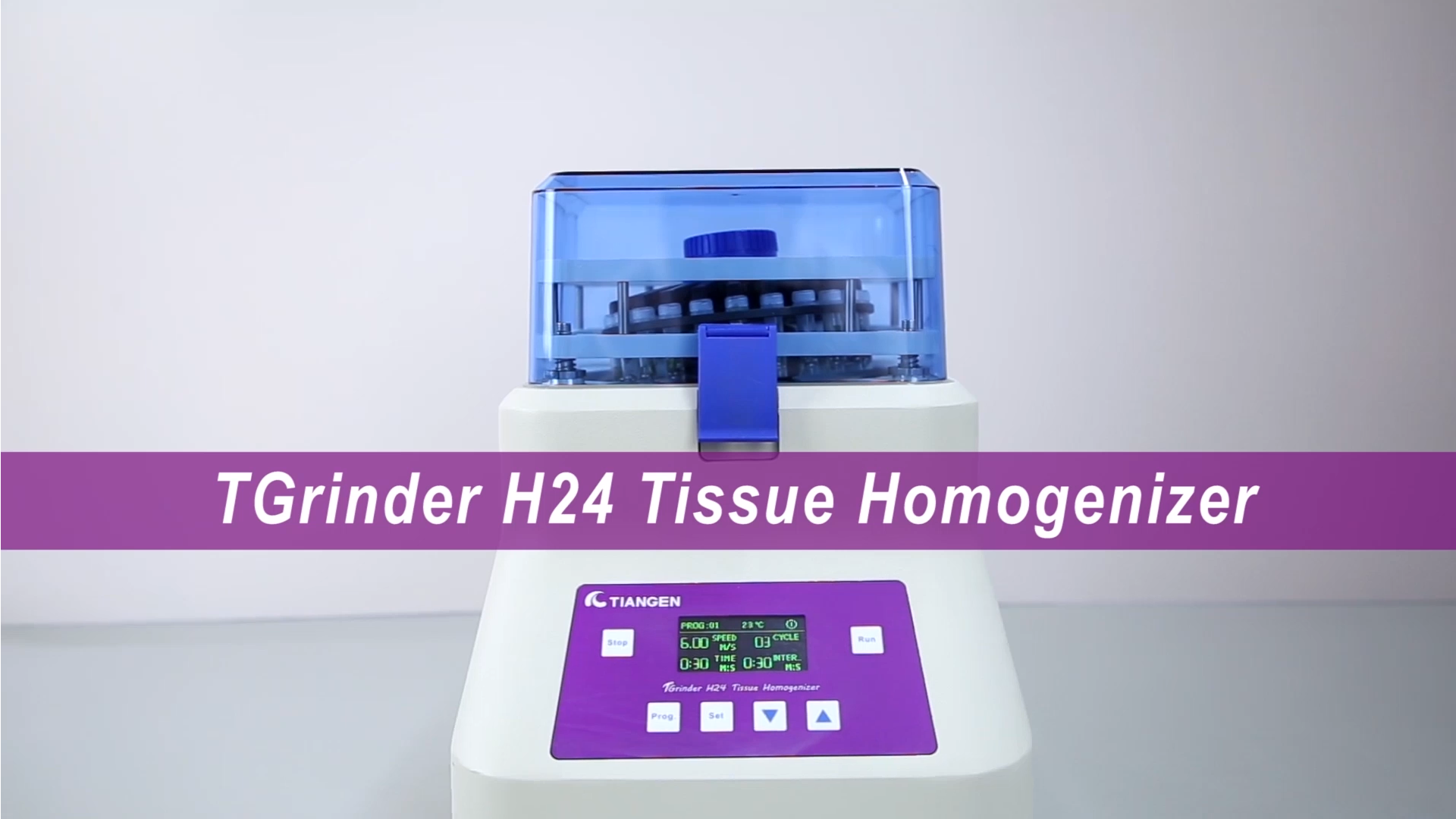
TGrinder H24 is a benchtop tissue homogenizer designed for efficient sample preparation and homogenization across a wide range of sample types. It enables reliable cell disruption and nucleic acid release, supporting DNA and RNA extraction from plant tissues, animal tissues, soil, and fecal samples.
 Inquire
Catalog Number|Packaging
Mat. No |
Ref. No |
No. of preps |
|
OSE-TH-01-AM |
OSE-TH-01-AM | 1 set |
-
Description
TGrinder H24 benchtop laboratory tissue homogenizer for routine DNA and RNA sample preparation
TGrinder H24 is suitable for routine DNA and RNA extraction workflows from many soft and easily disrupted biological samples, including young plant tissues, fresh leaves, animal soft tissues, microorganisms, soil and fecal samples.
By adopting a three-dimensional high-speed vibration mode, TGrinder H24 can simultaneously process 1–24 independent grinding tubes and efficiently grind, break and homogenize samples using various grinding media, such as zirconia beads, stainless steel beads, ceramic beads and glass beads.
For temperature-sensitive applications or samples that may generate excessive heat during homogenization, the refrigerated TGrinder H24R provides active cooling to help preserve biomolecule integrity during processing.
For extremely hard or fibrous samples, such as dry seeds, highly lignified plant tissues, skin, connective tissue and bone, liquid nitrogen-assisted grinding may be recommended. Customers requiring processing of these challenging sample types may contact local sales representatives regarding the TGrinder LH96 tissue homogenizer.
-
Features
The TGrinder H24 laboratory tissue homogenizer is designed for efficient and reproducible sample disruption in routine DNA and RNA extraction workflows.
Three-dimensional motion mode: The grinding homogenization force is 2–5 times that of traditional instruments and enables high-speed, efficient homogenization.
Circular sample holder design: Uniform grinding performance with no cross contamination.
Special structure and noise reduction design: The instrument components are designed for durability, and operating noise is reduced to provide a better user experience.
Automatic protection device: When the protective cover is not properly closed, the instrument cannot start or will stop automatically to ensure laboratory personnel safety.
-
Certification
CE marked.
Intended for laboratory sample preparation as part of downstream molecular analysis workflows.
-
Specifications
Product specifications of the TGrinder H24 tissue homogenizer are listed below.
Parameter Specification Catalog number OSE‑TH‑01 Vibration force (linear velocity) 4.00–7.00 m/s, adjustable in 0.05 m/s increments Motor speed 2430–4260 rpm, adjustable in 10 rpm increments Time setting Running time: 1–90 s;
Pause time: 1–120 s;
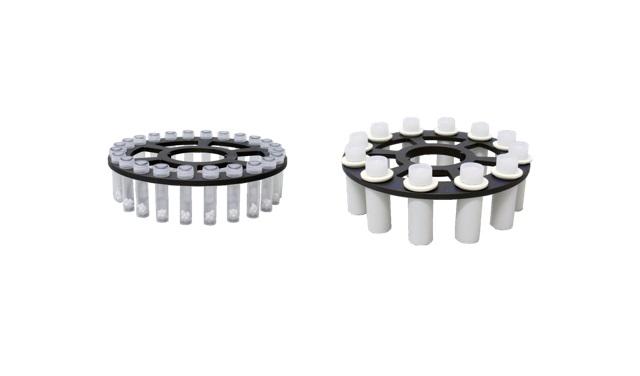
Up to 10 cyclesProgram storage Up to 50 programs Sample capacity and compatible holders 24 × 2 mL grinding tube holder (standard)
12 × 5 mL grinding tube holder (optional)
24 × 1.5 mL grinding tube holder (optional)Acceleration / deceleration time < 4 s Noise level < 70 dB Power supply AC 100–240 V, 50–60 Hz Dimensions (W × D × H) 280 × 360 × 385 mm Weight 25 kg -
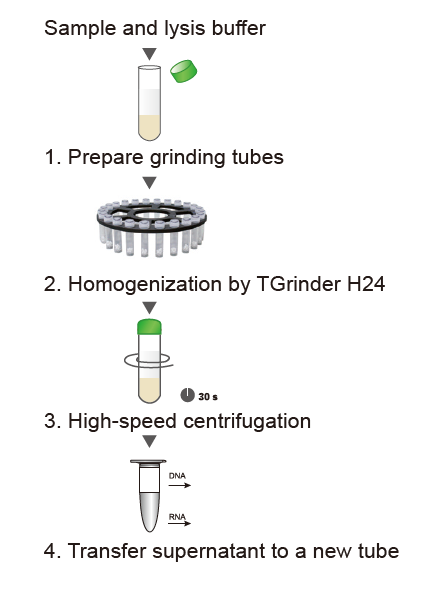
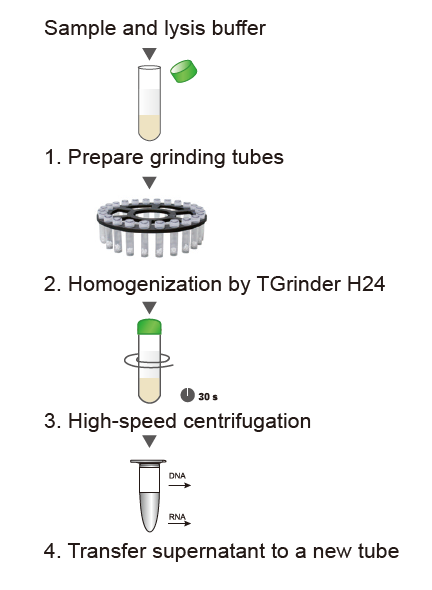
Experimental Procedure
-
Applications and Sample Types
TGrinder H24 is designed for routine sample homogenization and preparation prior to DNA and RNA extraction. Its high-speed three-dimensional bead mill technology enables efficient disruption of a wide range of biological and environmental samples.
- Plant tissues: suitable for young and easily disrupted plant samples, including seedlings, young leaves, tender roots, young stems, flowers and soft fruits.
- Animal tissues: suitable for soft animal tissues such as liver, spleen, kidney, lung, brain, muscle and other routinely processed biological samples.
- Microorganisms: efficient disruption of bacteria, fungi and yeast for nucleic acid extraction.
- Environmental samples: homogenization of soil, sediment and related environmental samples for molecular biology research.
- Microbiome samples: preparation of fecal and other microbiome-associated samples for DNA and RNA extraction.
- Molecular biology workflows: routine sample preparation prior to DNA extraction, RNA extraction and other nucleic acid-based research applications.
For highly lignified plant tissues, mature or senescent leaves, dry seeds, skin, connective tissue and bone, liquid nitrogen-assisted grinding is generally recommended. Customers with these application requirements may contact local sales representatives regarding the TGrinder LH96 Tissue Homogenizer.
-
How to Choose the Right Tissue Homogenizer for Your Application
Application Requirement Recommended Solution Routine DNA extraction TGrinder H24
High-throughput homogenization for routine DNA extraction workflows.Routine RNA extraction TGrinder H24
Suitable for many RNA extraction workflows when used with appropriate RNA lysis reagents.Temperature-sensitive RNA applications TGrinder H24R
Active cooling helps reduce heat generation during homogenization and may help preserve RNA integrity.Protein extraction TGrinder H24R
Low-temperature homogenization helps preserve protein integrity and biological activity during sample preparation.Temperature-sensitive biomolecules TGrinder H24R
Recommended for proteins, enzymes and other biomolecules that benefit from low-temperature processing.High-throughput processing TGrinder H24 or H24R
Both systems can process up to 24 samples simultaneously with excellent reproducibility.Bone, cartilage, skin and connective tissue TGrinder LH96
Liquid nitrogen-assisted grinding is generally recommended for these mechanically challenging sample types.Dry seeds, mature leaves, woody stems and tough roots TGrinder LH96
Designed for cryogenic grinding of difficult-to-disrupt plant tissues and highly lignified samples.TGrinder H24 is recommended for routine high-throughput DNA and RNA sample preparation workflows. For many commonly used biological samples, efficient homogenization can be achieved directly in the appropriate DNA or RNA lysis buffer without refrigerated processing.
TGrinder H24R incorporates an active cooling system capable of maintaining temperatures down to −10°C during homogenization. It is particularly suitable for RNA extraction, protein extraction and other applications involving temperature-sensitive biomolecules, where minimizing heat generation may help preserve molecular integrity and biological activity.
For particularly challenging samples that require liquid nitrogen-assisted grinding, TIANGEN also offers the TGrinder LH96 Tissue Homogenizer. This system is designed for hard and difficult-to-disrupt samples, including bone, cartilage, skin, connective tissue, dry seeds, mature or senescent plant leaves, woody stems and tough plant roots.
The combination of cryogenic grinding and high-throughput homogenization helps improve sample disruption efficiency for these demanding applications. Customers are encouraged to contact local sales representatives to confirm product availability in their region.
-
FAQ
What is a tissue homogenizer used for?
A tissue homogenizer is a laboratory instrument used to disrupt and homogenize biological samples before DNA and RNA extraction. It helps efficiently break down tissues and cells, improving nucleic acid release and supporting reliable sample preparation for molecular biology workflows.What is a bead mill homogenizer?
A bead mill homogenizer is a type of tissue homogenizer that uses high-speed shaking and grinding beads to mechanically disrupt tissues, cells and microorganisms. TGrinder H24 utilizes three-dimensional bead mill technology to provide rapid and reproducible homogenization of a wide range of sample types.Can TGrinder H24 be used for RNA extraction?
Yes. When used with appropriate RNA lysis reagents, including phenol-based reagents such as TRIzol or column-based RNA extraction buffers, TGrinder H24 can be used for RNA extraction from many soft and easily disrupted biological samples. Rapid homogenization directly in lysis buffer helps minimize RNA degradation during sample preparation.What samples are suitable for TGrinder H24?
TGrinder H24 is suitable for many commonly used biological samples, including young plant tissues, seedlings, young leaves, tender roots, flowers, soft fruits, animal soft tissues, bacteria, fungi, yeast, soil samples and fecal samples. These sample types can typically be homogenized efficiently for routine DNA and RNA extraction workflows. Extremely hard, fibrous or highly lignified samples may require liquid nitrogen-assisted grinding.Can TGrinder H24 process plant tissues?
Yes. TGrinder H24 is widely used for homogenization of young and easily disrupted plant tissues, including seedlings, young leaves, tender roots, young stems, flowers and soft fruits. These samples can typically be homogenized efficiently for downstream DNA and RNA extraction workflows. For highly lignified tissues, mature or senescent leaves, woody stems and dry seeds, liquid nitrogen-assisted grinding is generally recommended to achieve optimal homogenization performance.Can TGrinder H24 process soil and fecal samples?
Yes. TGrinder H24 is suitable for homogenization of environmental and microbiome-related samples, including soil and fecal samples. The high-speed bead mill mechanism enables efficient microbial disruption and nucleic acid release.How many samples can TGrinder H24 process at one time?
TGrinder H24 can process up to 24 samples simultaneously using standard 2 mL grinding tube holders. This improves laboratory throughput and helps reduce variability between samples.What grinding beads are compatible with TGrinder H24?
TGrinder H24 is compatible with zirconia beads, stainless steel beads, ceramic beads and glass beads. Different bead materials can be selected according to the sample type and homogenization requirements.Do all RNA extraction workflows require refrigerated homogenization?
No. Many routine RNA extraction workflows can be successfully performed using TGrinder H24 together with appropriate RNA lysis reagents. Immediate disruption in lysis buffer can help minimize RNA degradation in many soft and easily disrupted biological samples. The suitability of refrigerated homogenization depends on the sample type and experimental requirements.What is the difference between TGrinder H24 and TGrinder H24R?
TGrinder H24 is designed for routine high-throughput sample homogenization and DNA/RNA extraction workflows. TGrinder H24R includes an active cooling system that maintains low temperatures during homogenization, making it particularly suitable for temperature-sensitive applications and samples that may generate heat during processing.Can TGrinder H24 process dry seeds, skin or bone samples?
For extremely hard or fibrous samples such as dry seeds, highly lignified plant tissues, mature stems, skin, connective tissue and bone, liquid nitrogen-assisted grinding typically provides superior homogenization performance. Customers with these application requirements may contact local sales representatives regarding the TGrinder LH96 Tissue Homogenizer, which is designed for challenging sample types requiring cryogenic grinding workflows. -
Experimental Example

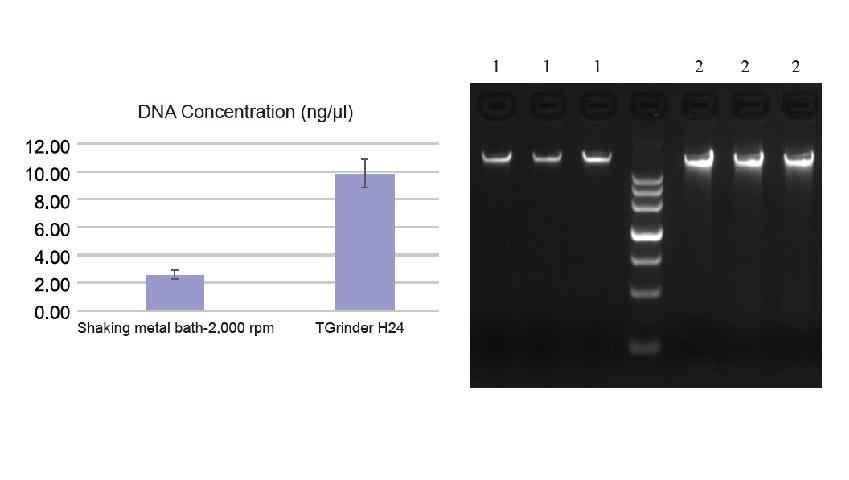
TGrinder H24 provides genomic DNA yield and integrity comparable to traditional manual liquid nitrogen grinding for both animal and plant tissue samples.
This experiment compares TGrinder H24 homogenization with manual liquid nitrogen grinding using representative animal and plant tissue samples.
- Lane 1: Manual liquid nitrogen grinding, rat liver
- Lane 2: TGrinder H24 homogenization, rat liver
- Lane 3: Manual liquid nitrogen grinding, rat heart
- Lane 4: TGrinder H24 homogenization, rat heart
- Lane 5: Manual liquid nitrogen grinding, wheat leaf
- Lane 6: TGrinder H24 homogenization, wheat leaf
Genomic DNA was extracted from 20 mg animal tissue and 10 mg plant tissue samples by manual liquid nitrogen grinding and by TGrinder H24 homogenization, respectively. The genomic DNA yield of the samples was essentially equivalent
-
Sort by
-
Date
 Date()
Date
 Date()
Impact Factor
IF()
Impact Factor
IF()