Blog
-
-
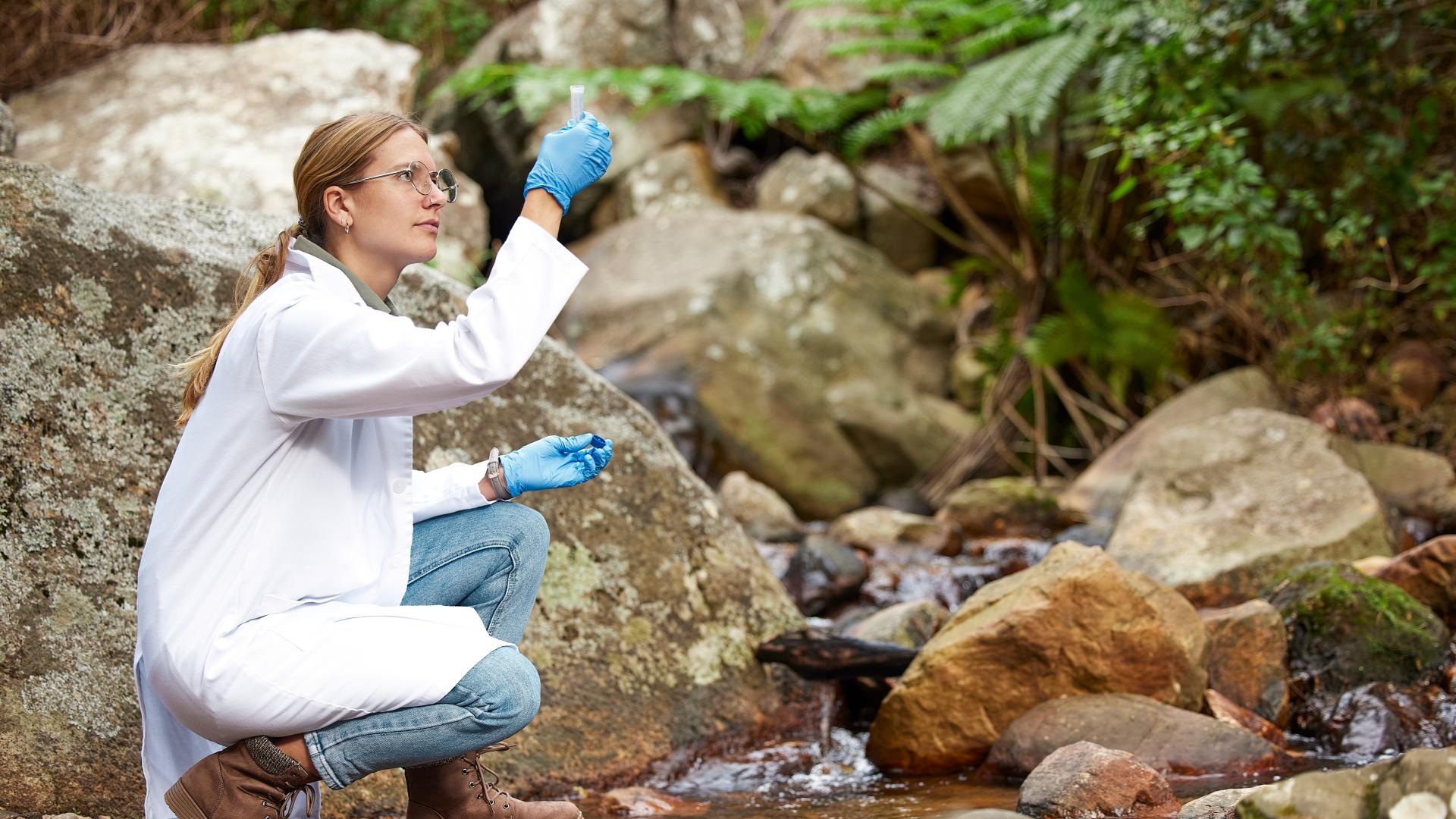
DNA Extraction from Inhibitor‑Rich Samples: A Critical Constraint in Environmental and Microbiome Studies
Date: May 15 2026DNA extraction from inhibitor-rich samples remains a major challenge in environmental and microbiome studies. This article examines common inhibitors, mechanisms of inhibition, methodological bias, and workflow trade-offs affecting downstream PCR and sequencing reliability.
-

-
DNA Extraction Bias in Gut Microbiome Studies | Technical Insights
Date: May 15 2026DNA extraction plays a critical role in determining data reliability in gut microbiome studies. Increasing evidence shows that variability introduced during extraction can significantly influence microbial profiles, reproducibility, and cross-study comparability. This article examines how extraction bias arises and why methodological choices at this stage are essential for biologically meaningful microbiome analysis.
-
-
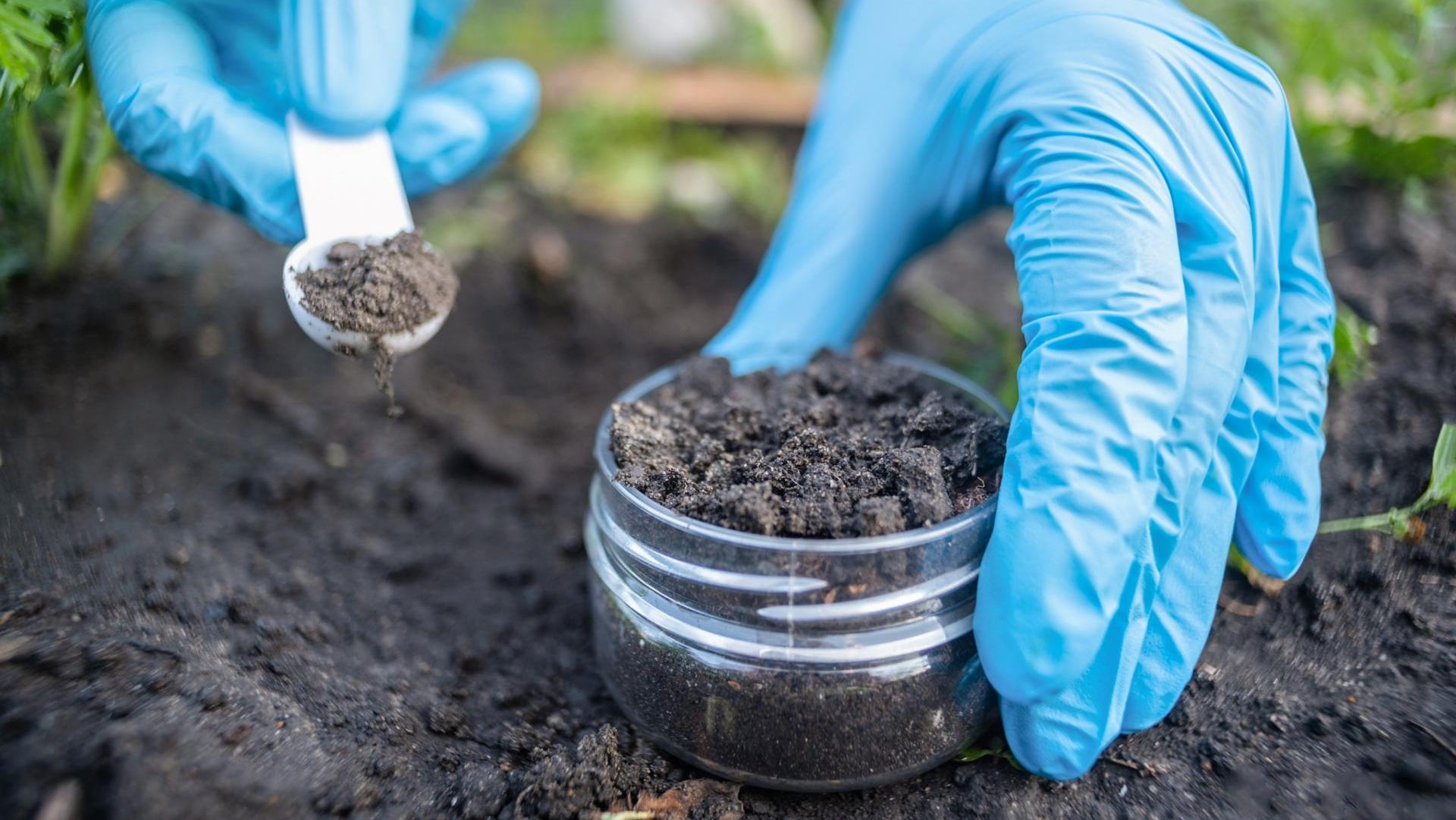
Why Soil DNA Extraction Is So Difficult: Key Challenges Explained
Date: May 08 2026Soil DNA extraction is widely recognized as one of the most challenging steps in environmental microbiology.
Researchers often encounter low DNA yield, inconsistent results, or poor PCR amplification when working with soil samples. These issues arise mainly from DNA adsorption to minerals, co-extracted inhibitors, and the highly variable nature of soil matrices.
Even when identical samples are analyzed, differences in extraction workflows can lead to measurable variation in microbial composition
-

-
DNA & RNA Extraction Guide: Methods, Steps and Optimization Overview
Date: May 08 2026DNA and RNA extraction is a fundamental step in molecular biology workflows, yet its performance can vary significantly depending on the sample type.
In practice, many downstream issues—such as PCR failure, low sequencing yield, or inconsistent results—can often be traced back to suboptimal nucleic acid extraction.
Understanding how extraction methods work, and how they should be adapted to different biological matrices, is essential for achieving reliable and reproducible results.
-
-
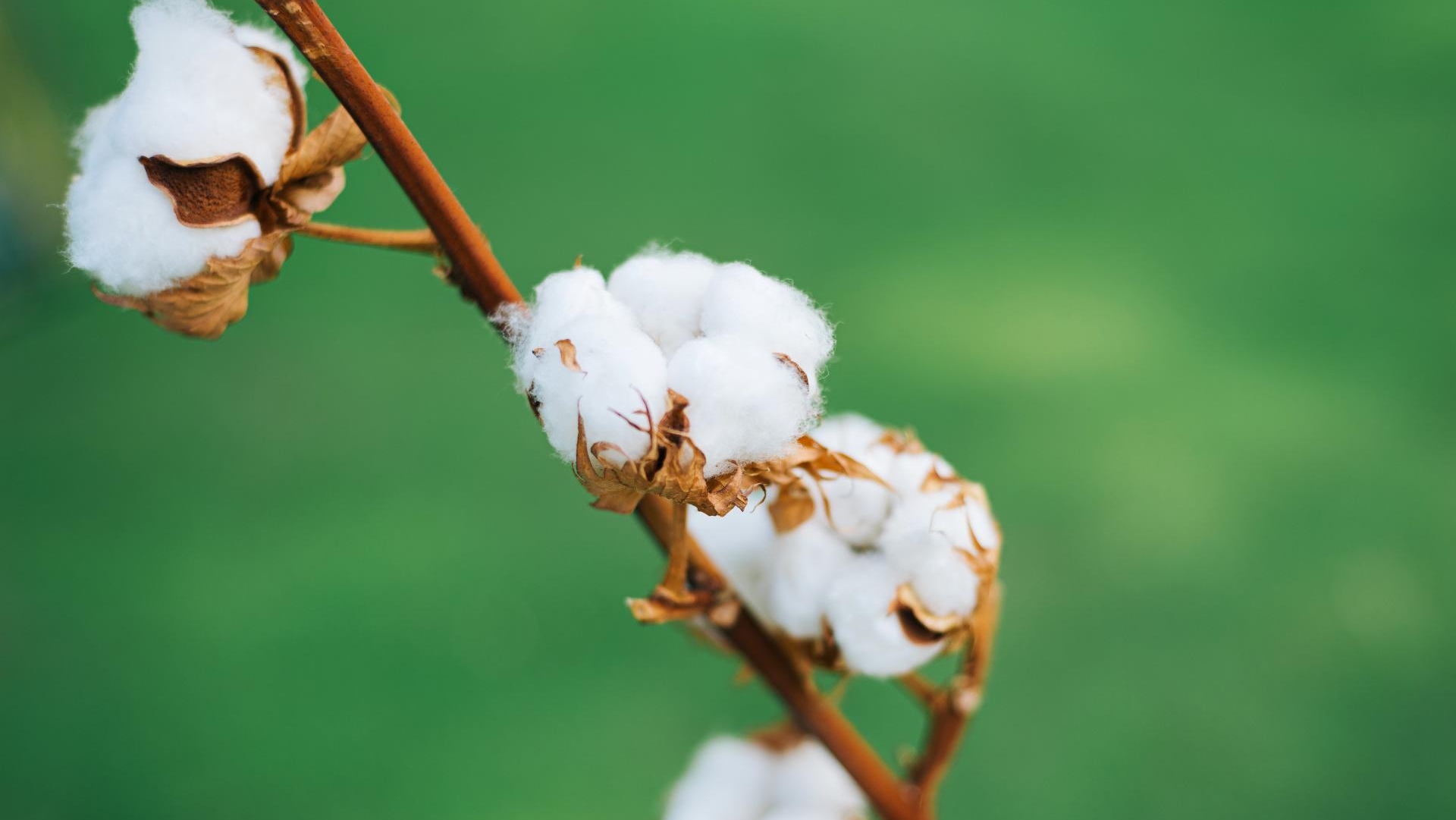
Overcoming Polysaccharides and Polyphenols: Improving Plant DNA and RNA Extraction Reliability
Date: Apr 28 2026Polysaccharides and polyphenols are major inhibitors in plant DNA and RNA extraction.
This article discusses why inhibitor rich plant samples are challenging, why RNA is particularly sensitive, and how laboratories select appropriate workflows to improve reproducibility across diverse sample types.